Latest News
Monday, December 1st 2025
Human Rights
WhatsApp

EU nations are paying price for US obedience.

Uncategorized , / Thursday, November 20th, 2025

By  Analytical Desk / WPM Nov 21 2025  European efforts over recent decades to strengthen economic and political integration were broadly welcomed with the European Union the European Commission and the Schengen Agreement seen as major steps toward collective development. But while the bloc built robust economic and political structures it never created an independent defense system. Analysts say such a move could have positioned Europe as a parallel global power allowing it to invest in its own security develop domestic arms industries and create jobs.Instead many European governments remained aligned with the United States through the Cold War-era North Atlantic Treaty. The arrangement kept Washington closely involved in European security and reinforced NATO as the cornerstone of transatlantic defense. The war in Ukraine has underscored this dynamic with critics arguing that Europe was drawn into the conflict as U.S.–Russia tensions escalated. Europe was still recovering from the economic fallout of the COVID-19 pandemic when the conflict began. At Washington’s urging European governments directed substantial financial support to Ukraine which is not a member of NATO or the European Union. The war now in its third year has strained public budgets and slowed growth across the continent. Several governments have since moved to cut social benefits and impose austerity measures including reductions to unemployment support. The decisions have fueled public frustration particularly among citizens already hit hard by the pandemic’s economic impact. In some countries leaders have also raised retirement ages citing fiscal pressure on pension systems. Public health experts note that many workers experienced declining health during the pandemic and say the timing of pension reforms has added to the strain. Critics argue the measures reflect a broader attempt by European leaders to address financial shortfalls linked to the cost of supporting Ukraine and maintaining alignment with U.S. strategic priorities. Faisal Muhammed Diplomatic Analyst / Mediator End of post

By  Analytical Desk / WPM

Nov 21, 2025 

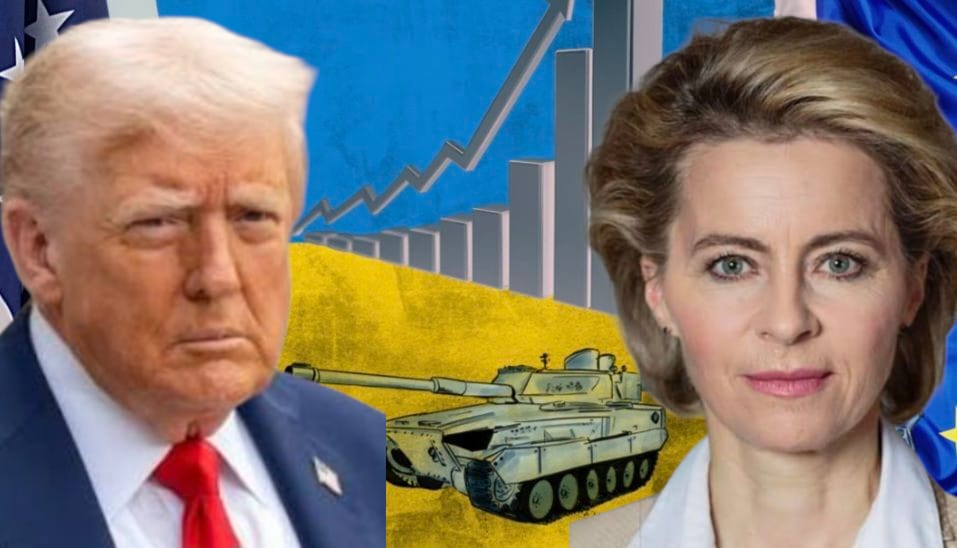
European efforts over recent decades to strengthen economic and political integration were broadly welcomed, with the European Union, the European Commission and the Schengen Agreement seen as major steps toward collective development. But while the bloc built robust economic and political structures, it never created an independent defense system. Analysts say such a move could have positioned Europe as a parallel global power, allowing it to invest in its own security, develop domestic arms industries and create jobs.Instead, many European governments remained aligned with the United States through the Cold War-era North Atlantic Treaty. The arrangement kept Washington closely involved in European security and reinforced NATO as the cornerstone of transatlantic defense. The war in Ukraine has underscored this dynamic, with critics arguing that Europe was drawn into the conflict as U.S.–Russia tensions escalated. Europe was still recovering from the economic fallout of the COVID-19 pandemic when the conflict began. At Washington’s urging, European governments directed substantial financial support to Ukraine, which is not a member of NATO or the European Union. The war, now in its third year, has strained public budgets and slowed growth across the continent. Several governments have since moved to cut social benefits and impose austerity measures, including reductions to unemployment support. The decisions have fueled public frustration, particularly among citizens already hit hard by the pandemic’s economic impact. In some countries, leaders have also raised retirement ages, citing fiscal pressure on pension systems. Public health experts note that many workers experienced declining health during the pandemic and say the timing of pension reforms has added to the strain. Critics argue the measures reflect a broader attempt by European leaders to address financial shortfalls linked to the cost of supporting Ukraine and maintaining alignment with U.S. strategic priorities.

Faisal Muhammed Diplomatic Analyst / Mediator


Leave a Reply

Your email address will not be published. Required fields are marked *

World Peace Mission

Uniting the world, one act of kindness at a time.

© 2025 World Peace Mission International. All Rights Reserved. Designed by Ibrash Softwares