Latest News

Monday, 11th May 2026
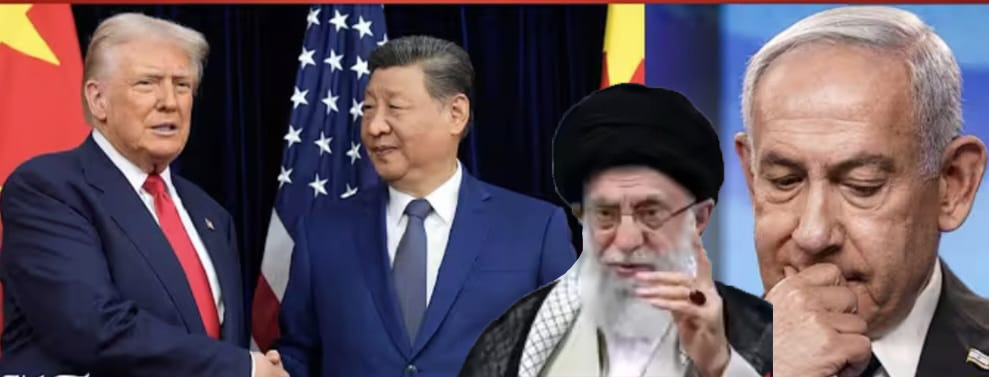
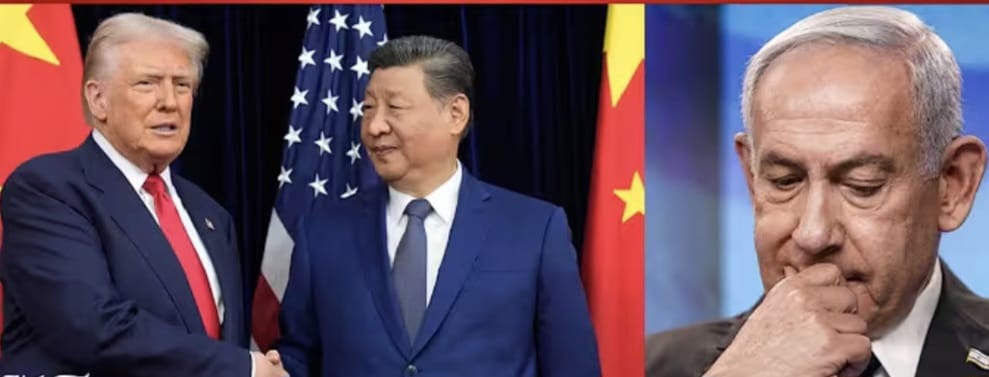
President Donald Trump is scheduled to visit China from May 13 to 15, 2026. While trade remains a core issue, the escalating crisis involving the Strait of Hormuz and Iran has emerged as a primary focus of the trip. Reports suggest Trump may pressure China to close its vital train links to Iran, a move reportedly favored by Israel but one that Beijing is unlikely to accept. As my analysis argue that Trump’s decision to launch military strikes against Iran in early 2026 was a significant strategic error. There is now growing concern that he may compound this with a ground operation aimed at seizing Iranian uranium supplies, a move that could further destabilize the region. China is expected to advise restraint and may even offer guarantees regarding Iran’s nuclear material to prevent further escalation.The United States has already suffered serious diplomatic and economic losses due to these policies. Furthermore, Middle Eastern nations that initially supported the U.S. stance are now reconsidering their positions as regional tensions mount.China enters these talks fully aware of this shifting landscape. While Washington may attempt to use the Iran crisis to pressure Beijing, this tactic is likely to fail given that Iran’s retaliatory capabilities remain a potent and dangerous threat. Unlike previous high-level talks, such as those in Islamabad, the sessions in Beijing are expected to be a final, serious attempt at diplomacy rather than a mere publicity stunt.
By Faisal Muhammed.
© 2026 World Peace Mission International. All Rights Reserved. Designed by Ibrash Softwares


Leave a Reply