Latest News

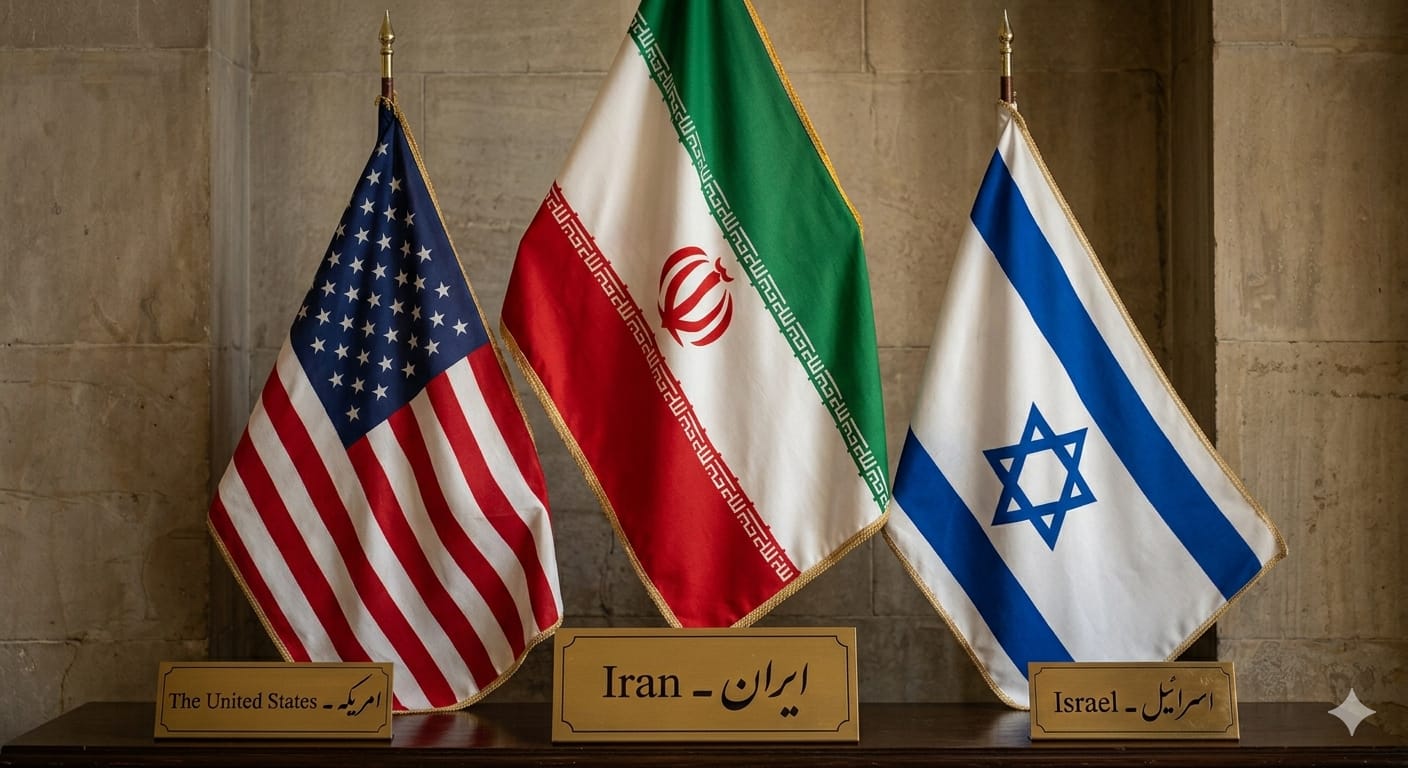
The ongoing crisis in the Middle East is often portrayed as a confrontation between Iran and the United States, but a closer examination reveals a different reality. At its core, the conflict is primarily rooted in the long-standing hostility between Iran and Israel. Yet, despite this fundamental truth, most diplomatic efforts continue to revolve around negotiations between Tehran and Washington. As a result, the principal parties driving regional instability remain absent from direct engagement, leaving the root causes of the conflict largely unaddressed.
This diplomatic disconnect has contributed to a recurring cycle of temporary ceasefires, optimistic announcements, and rapid escalations. Time and again, the international community witnesses declarations of peace that fail to survive beyond a few days or weeks. The reason is simple: sustainable peace cannot emerge when mediators focus on secondary actors instead of bringing the actual adversaries to the negotiating table. Meaningful progress requires direct dialogue, however difficult, between those who hold the power to end the conflict.
The path toward lasting stability in the Middle East demands political courage and a realistic assessment of regional dynamics. While ideological divisions, security concerns, and competing geopolitical ambitions continue to obstruct direct Iran-Israel engagement, ignoring these realities will only prolong the crisis. Nations seeking peace must shift their focus from symbolic diplomacy to practical solutions that prioritize human security, regional stability, and conflict prevention. Without addressing the central dispute, the region risks remaining trapped in a cycle of uncertainty, confrontation, and humanitarian suffering.
By Hassan Raza
© 2026 World Peace Mission International. All Rights Reserved. Designed by Ibrash Softwares


Leave a Reply