
Europe Bomb Threat Crisis: 8,000+ Hoaxes Target Schools and Flights
By Rizwan Shah
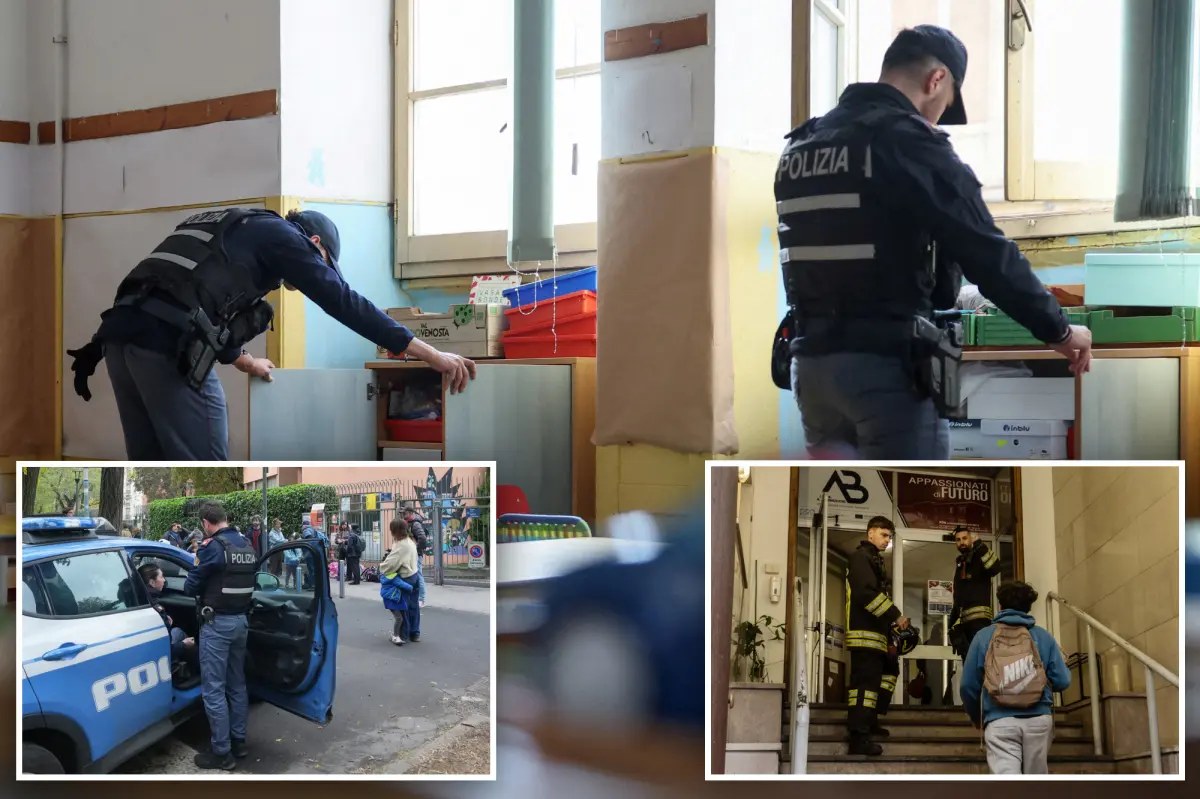
Europe is facing an unprecedented wave of bomb threats with more than 8000 suspected hoax warnings targeting schools airlines media organisations and public institutions raising serious concerns about the continent’s security preparedness and vulnerability to potential hybrid warfare. The threats have triggered school evacuations disrupted television broadcasts and caused flight diversions and cancellations. More than 50 flights operated by approximately 15 airlines received threats between November 2 and 6. A cruise ship off the Greek coast was also targeted. On November 11 approximately 6300 Italian schools received threatening emails alongside hundreds of schools in Scotland Northern Ireland and Ireland prompting emergency security responses.
The aviation incidents have prompted particularly strong security responses across Europe
The aviation incidents have prompted particularly strong security responses across Europe. Several passenger aircraft were diverted to alternative airports while Hungary and France deployed fighter jets to escort affected flights. In one incident a Wizz Air flight travelling from London to Sofia was diverted to Budapest while an Aer Lingus flight travelling from Dublin to Rome was redirected to a French military airbase. Broadcasters including France’s TF1 Bulgaria’s Nova and Ireland’s RTÉ also received threats with some operations temporarily interrupted as staff evacuated buildings. Despite the scale of the incidents no explosives or suspicious devices have been reported at the affected locations. European authorities have stressed that every warning must be treated seriously.
However identifying those responsible remains one of Europe’s biggest security challenges. Cybersecurity companies have identified hijacked email accounts allegedly used to distribute some threatening messages. Several emails reportedly referenced an obscure Russian anti-feminist movement known as Male State although its founder denied involvement. French Interior Minister Laurent Nuñez has raised the possibility of foreign interference including potential Russian involvement while indicating that Europol is working to establish the origin of the threats. Nevertheless investigators have not confirmed a common perpetrator or established that all incidents are connected. Security experts warn that the campaign demonstrates how anonymous digital communications can disrupt critical infrastructure overwhelm emergency services and create widespread public panic without requiring a physical attack. The growing challenge for European governments is to strengthen cross-border intelligence cooperation cybersecurity capabilities and emergency coordination before these threats escalate into something more dangerous.
End of post
By Rizwan Shah
Europe is facing an unprecedented wave of bomb threats, with more than 8,000 suspected hoax warnings targeting schools, airlines, media organisations and public institutions, raising serious concerns about the continent’s security preparedness and vulnerability to potential hybrid warfare. The threats have triggered school evacuations, disrupted television broadcasts and caused flight diversions and cancellations. More than 50 flights operated by approximately 15 airlines received threats between November 2 and 6. A cruise ship off the Greek coast was also targeted. On November 11, approximately 6,300 Italian schools received threatening emails, alongside hundreds of schools in Scotland, Northern Ireland and Ireland, prompting emergency security responses.
The aviation incidents have prompted particularly strong security responses across Europe
The aviation incidents have prompted particularly strong security responses across Europe. Several passenger aircraft were diverted to alternative airports, while Hungary and France deployed fighter jets to escort affected flights. In one incident, a Wizz Air flight travelling from London to Sofia was diverted to Budapest, while an Aer Lingus flight travelling from Dublin to Rome was redirected to a French military airbase. Broadcasters, including France’s TF1, Bulgaria’s Nova and Ireland’s RTÉ, also received threats, with some operations temporarily interrupted as staff evacuated buildings. Despite the scale of the incidents, no explosives or suspicious devices have been reported at the affected locations. European authorities have stressed that every warning must be treated seriously.
However, identifying those responsible remains one of Europe’s biggest security challenges. Cybersecurity companies have identified hijacked email accounts allegedly used to distribute some threatening messages. Several emails reportedly referenced an obscure Russian anti-feminist movement known as Male State, although its founder denied involvement. French Interior Minister Laurent Nuñez has raised the possibility of foreign interference, including potential Russian involvement, while indicating that Europol is working to establish the origin of the threats. Nevertheless, investigators have not confirmed a common perpetrator or established that all incidents are connected. Security experts warn that the campaign demonstrates how anonymous digital communications can disrupt critical infrastructure, overwhelm emergency services and create widespread public panic without requiring a physical attack. The growing challenge for European governments is to strengthen cross-border intelligence cooperation, cybersecurity capabilities and emergency coordination before these threats escalate into something more dangerous.
Leave a Reply