Latest News
Thursday, February 19th 2026
Human Rights
WhatsApp

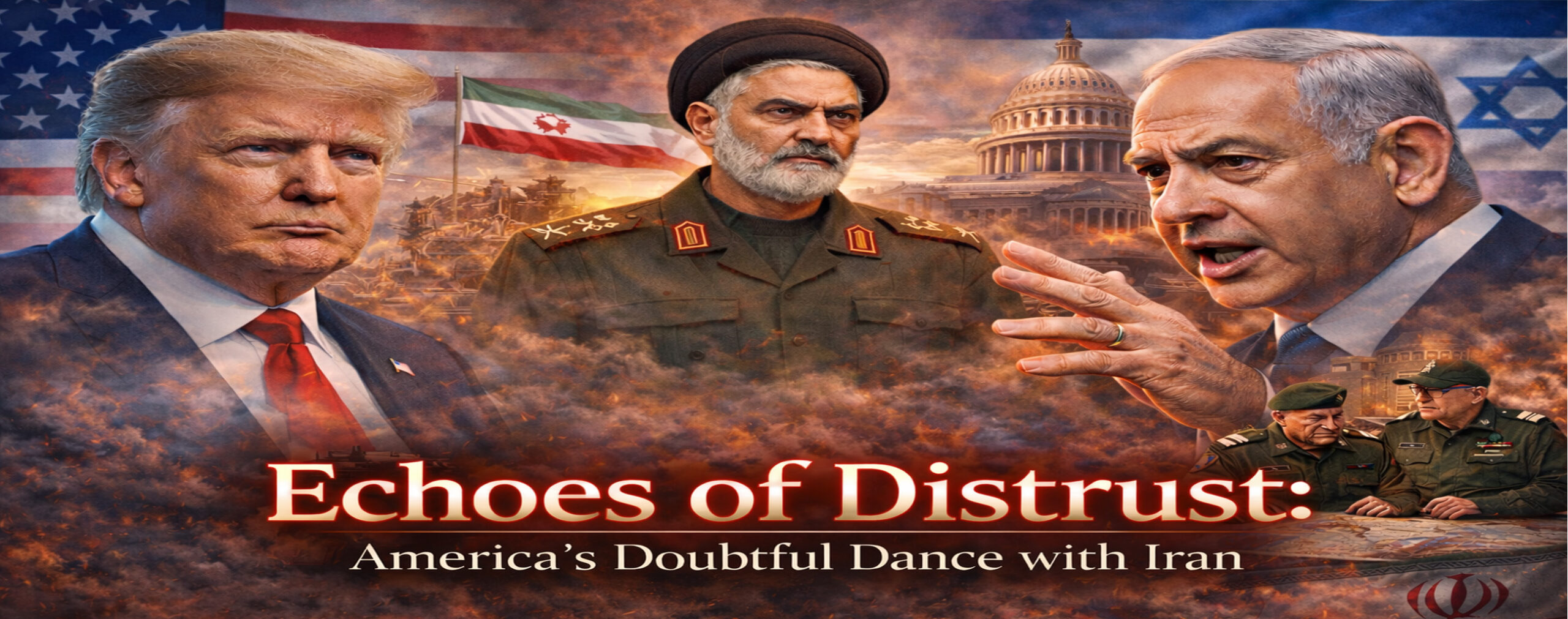
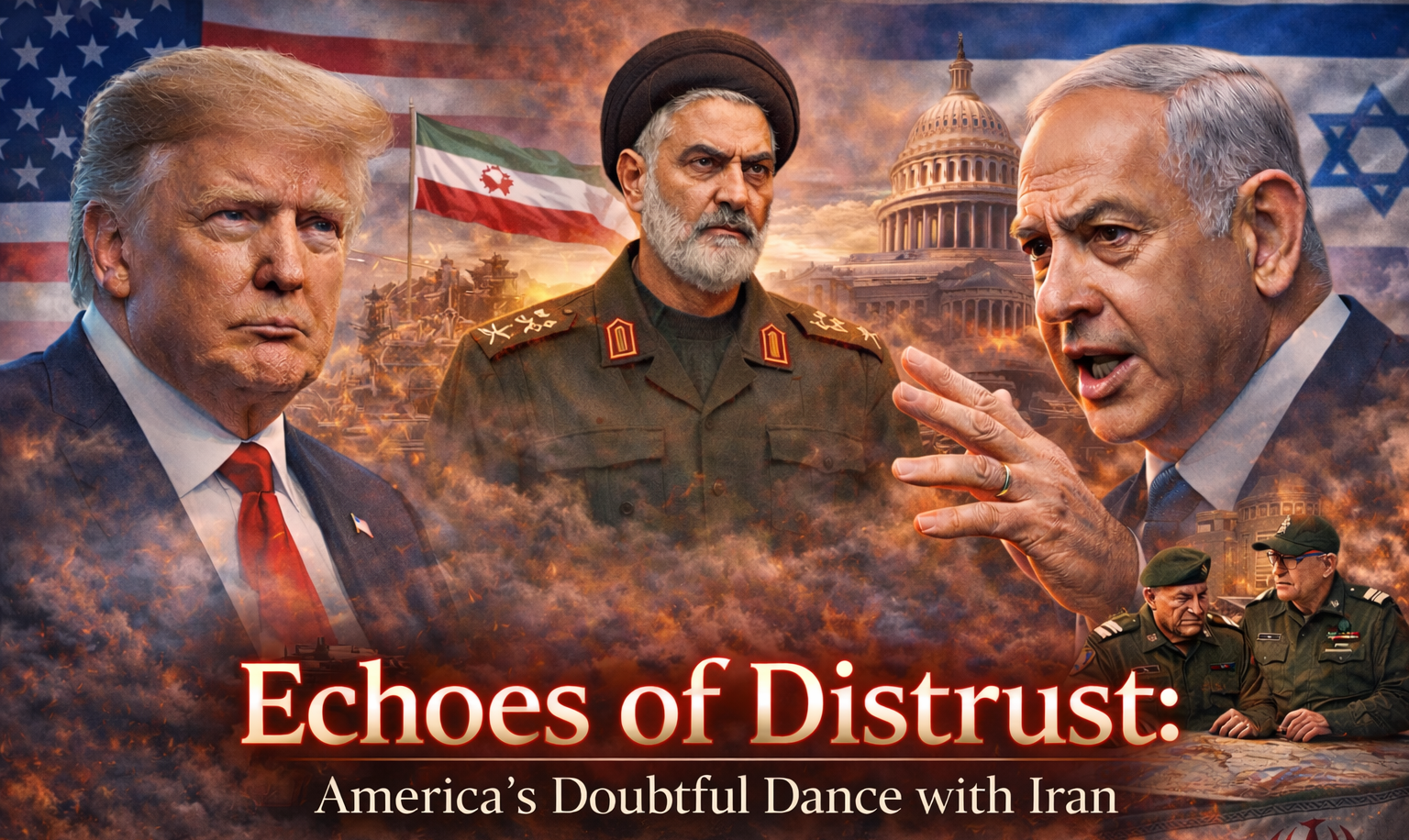
Echoes of Distrust: America’s Doubtful Dance with Iran

News , / Thursday, February 5th, 2026

By Analytical Desk Thursday February 5th 2026 A Skeptical Negotiation ? Faisal Muhammed a seasoned expert in international dispute mediation argues that the United States does not genuinely intend to negotiate with Iran nor is it willing to acknowledge Tehran’s right to defend itself. According to him the U.S. track record marked by broken promises and abandoned deals underscores a long history of sidelining the defense rights of weaker states. The devastation in Iraq Libya and Syria he suggests would not have unfolded had those nations possessed the means to protect their sovereignty and deter foreign intrusion. A Tilted Foreign Policy Faisal contends that President Donald Trump’s policies have become deeply influenced by Israel’s strategic imperatives tilting U.S. foreign policy further toward Tel Aviv’s interests than America’s own or those of the wider region. He warns that Israel’s expansionist ambitions view Iran—the most powerful Muslim nation in the Middle East as the principal obstacle to its geopolitical designs while other Islamic states have quietly acquiesced compromising their future security in the process. Strategic Encouragement and Risk of Retaliation Faisal also points to the tepid global response from China and Russia following U.S. actions in Venezuela saying this has emboldened Washington’s hawkish wings. Yet he predicts that Iran may not remain passive if provoked. Tehran could deliver a surprising and forceful response not only against the United States but also its regional partners escalating tensions far beyond current diplomatic brinkmanship. BY : RIZWAN SHAH End of post

By Analytical Desk

Thursday ,February 5th 2026

A Skeptical Negotiation ?


Faisal Muhammed, a seasoned expert in international dispute mediation, argues that the United States does not genuinely intend to negotiate with Iran, nor is it willing to acknowledge Tehran’s right to defend itself. According to him, the U.S. track record marked by broken promises and abandoned deals underscores a long history of sidelining the defense rights of weaker states. The devastation in Iraq, Libya and Syria, he suggests, would not have unfolded had those nations possessed the means to protect their sovereignty and deter foreign intrusion.

A Tilted Foreign Policy


Faisal contends that President Donald Trump’s policies have become deeply influenced by Israel’s strategic imperatives, tilting U.S. foreign policy further toward Tel Aviv’s interests than America’s own or those of the wider region. He warns that Israel’s expansionist ambitions view Iran—the most powerful Muslim nation in the Middle East as the principal obstacle to its geopolitical designs, while other Islamic states have quietly acquiesced, compromising their future security in the process.

Strategic Encouragement and Risk of Retaliation


Faisal also points to the tepid global response from China and Russia following U.S. actions in Venezuela, saying this has emboldened Washington’s hawkish wings. Yet, he predicts that Iran may not remain passive if provoked. Tehran could deliver a surprising and forceful response not only against the United States but also its regional partners, escalating tensions far beyond current diplomatic brinkmanship.


BY : RIZWAN SHAH


Leave a Reply

Your email address will not be published. Required fields are marked *

World Peace Mission

Uniting the world, one act of kindness at a time.

© 2026 World Peace Mission International. All Rights Reserved. Designed by Ibrash Softwares