Latest News

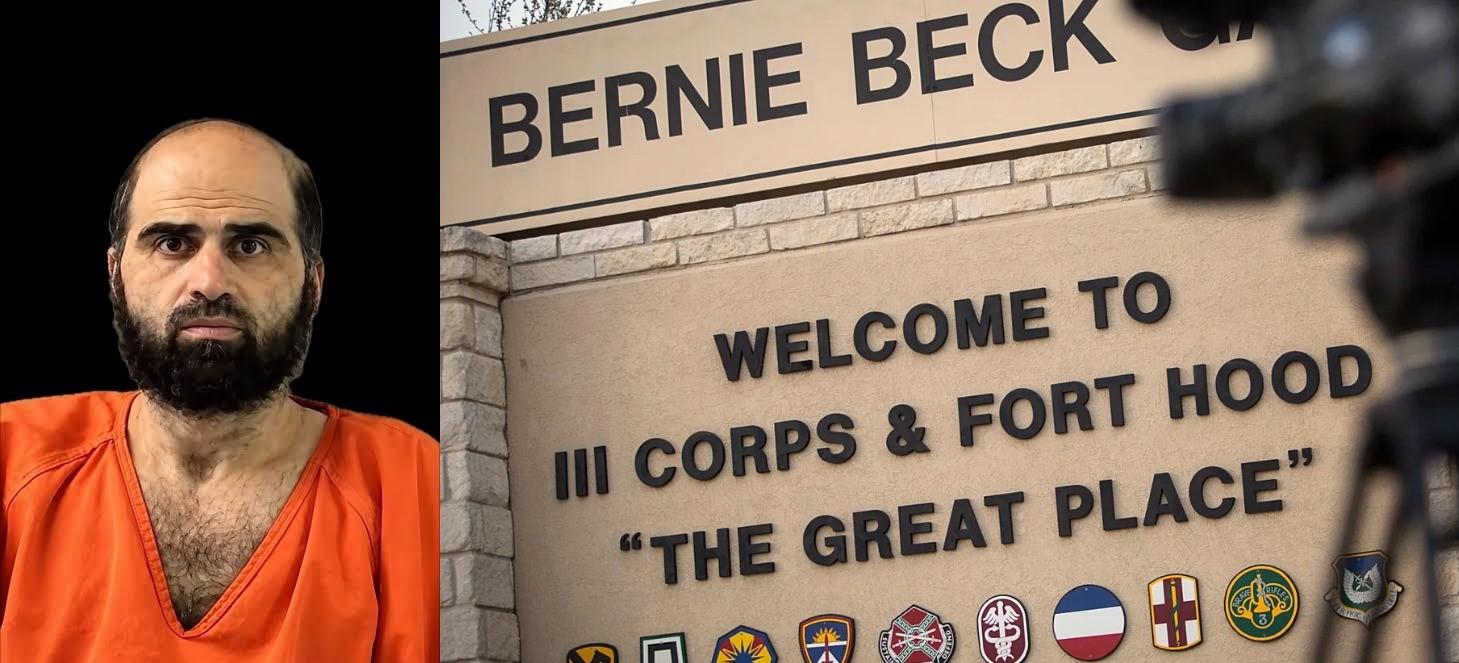
World Peace International has strongly condemned the Pentagon’s decision to livestream the execution of Nidal Hasan, the former Army psychiatrist convicted of killing 13 people in the 2009 Fort Hood shooting. “No crime justifies a spectacle,” the organization declared, calling the plan a grave affront to human dignity and to the international human rights principles the United States has long claimed to uphold. A Pentagon official confirmed the livestream to Reuters on October 8, and the Defense Department later said the firing-squad execution would be broadcast for the public. Defense Secretary Pete Hegseth had said earlier that day that the Pentagon would make sure people could watch it.
The execution is set for Thursday, December 3, at 1 p.m. Central Time at Fort Hood, Texas, according to acting Army Secretary Adam Telle. Hegseth has said the Thursday, 1 p.m. timing was chosen because it matches the day and approximate time of Hasan’s 2009 attack. President Donald Trump approved the sentence on Hegseth’s recommendation. Hasan was sentenced to death in 2013, and his final appeals were rejected earlier. If carried out, it would be the first US military execution since 1961 and the first military firing-squad execution since 1945. It would also be an unprecedented broadcast: executions have never been televised in the US, and no other country is known to livestream a legal execution, according to experts cited by Reuters. The Pentagon has not said which platform will carry the stream or how the execution will be conducted. Hasan could still delay the proceedings through a habeas corpus appeal in civilian federal court.
World Peace International warned that the broadcast risks retraumatizing the families of the 13 victims, desensitizing the public to violence, and signaling to governments worldwide that executions can be staged for display. It urged US authorities to cancel the livestream, fully respect Hasan’s remaining legal avenues, and reconsider capital punishment. Legal experts have raised similar concerns. Geoffrey Corn, a Texas Tech University law professor and former Army lawyer, told CBS News the plan raises moral questions beyond those surrounding the death penalty itself, and that turning an execution into public spectacle echoes a past the country has moved beyond. Critics add that a nation presenting itself as a champion of human rights weakens its moral authority by broadcasting a death, and that justice for the victims can be served through the legal process without a public show.
© 2026 World Peace Mission International. All Rights Reserved. Designed by Ibrash Softwares


Leave a Reply